
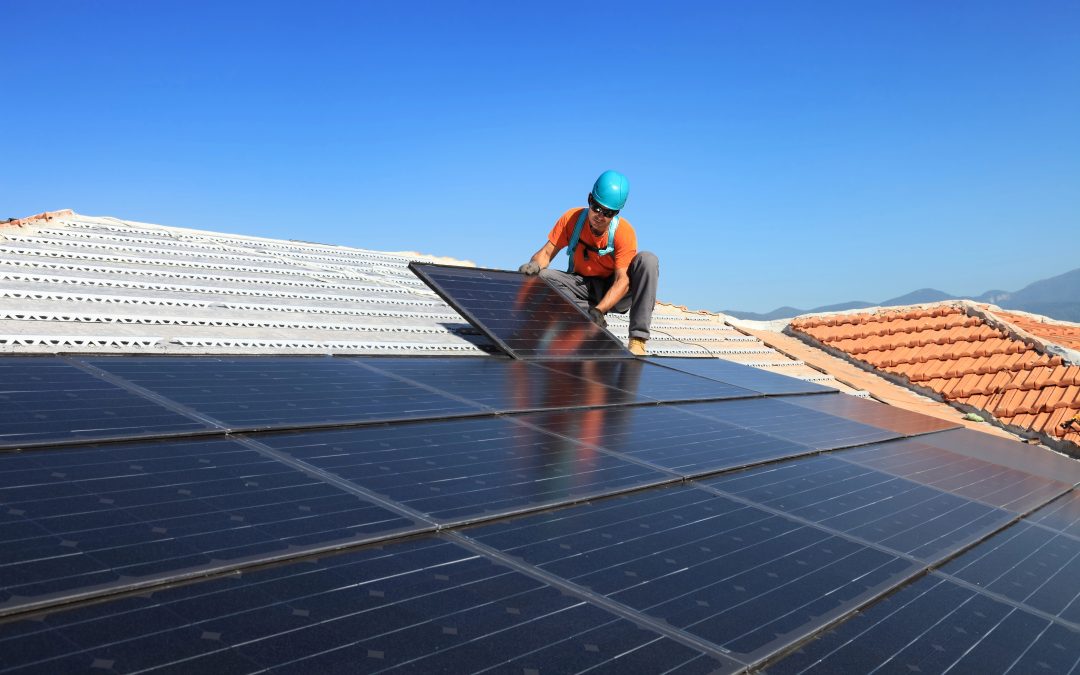
Renovating a home is usually about making the place more comfortable, functional and valuable. Maybe you are updating the roof, adding an extension, building an outdoor area, improving energy efficiency or finally sorting out the exterior. But if your home already has solar panels, there is one extra thing worth thinking about early: how the electrical renovation will affect the setup and long-term upkeep of the system.
Solar panels are designed to sit outside in Australian conditions, so they do not need constant attention. Even so, they are still part of the home. They sit on the roof, connect to electrical equipment, rely on good sunlight and can be affected by shade, dust, debris, birds and building work.
For homeowners planning a renovation, the goal is simple. Protect the system while work is happening, then make sure it remains easy to maintain once the project is finished.
Start by Understanding What Is Already on the Roof
Before any renovation work begins, take stock of what you already have. This does not mean climbing onto the roof yourself. It means checking your solar documents, inverter details and monitoring app so you understand the basics.
Useful things to know include the system size, panel location, inverter location, whether you have a battery, whether the system has monitoring and when it was last serviced. The Australian Solar Consumer Guide notes that monitoring can show how much electricity your system is generating, whether a battery is charging and discharging, and whether the system is working correctly or showing faults.
This matters during renovations because many projects affect the roof indirectly. New pergolas, second-storey additions, skylights, roof painting, gutter work, exterior rendering, tree planting and extensions can all change the environment around your panels.
Even if the panels are not being moved, the renovation may affect access, shading, water flow or cleanliness.
Think About Solar Access Before You Finalise the Renovation
A common mistake is designing a renovation around the house, then remembering the solar panels later. That can make future maintenance harder than it needs to be.
For example, a new pergola, balcony roof or extension might block safe access to part of the roof. This is not a reason to avoid the renovation. It is just something to plan around.
If trades will need roof access during the project, make sure the location of the panels is clearly understood. Solar panels should not be used as platforms, leaned on or treated like ordinary roofing material.
The Electrical Safety Office advises that panels should not be leaned on, buckets should not be rested on them, and abrasive cleaners or high-pressure water cleaners should be avoided when cleaning.
Good planning helps avoid accidental damage and keeps the system accessible later.
Roof Work and Solar Panels Need Extra Care
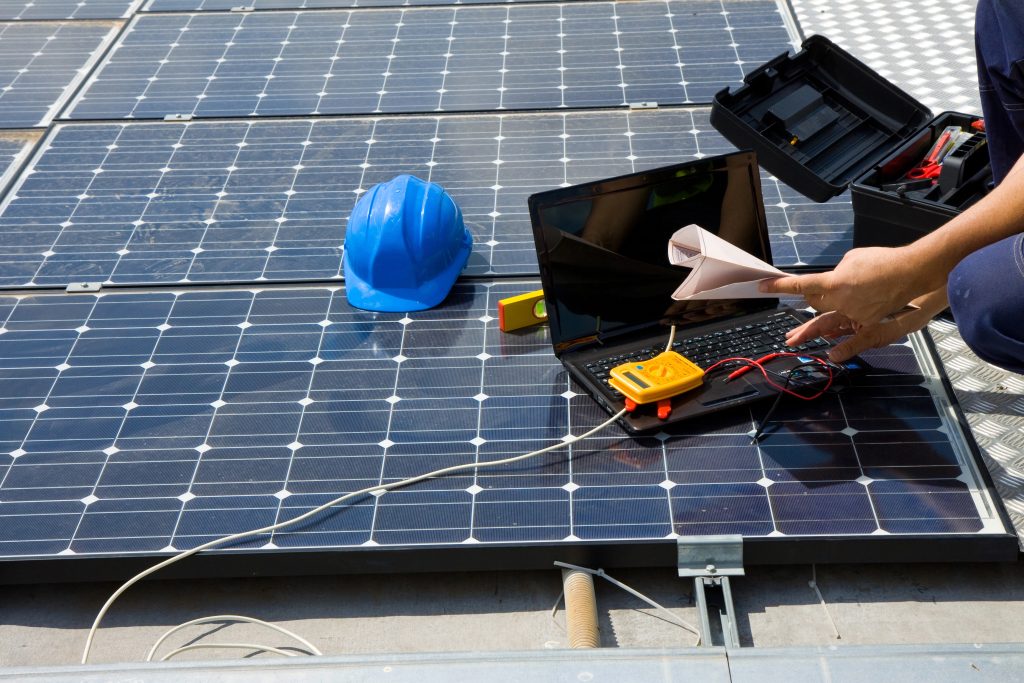
Roof renovations are where solar planning becomes especially important. Re-roofing, roof painting, roof restoration, gutter replacement and skylight installation can all bring trades close to the panel array.
If the roof is likely to need repair or replacement soon, it is recommended you carry that work out before solar panels are installed. For homes that already have solar, the same idea applies in reverse: if you are renovating the roof, consider whether the panels need to be temporarily removed, protected, inspected or cleaned as part of the project.
Paint overspray, sanding dust, tile dust and general debris can settle on panel glass. It may not look like a major issue from the ground, but anything that blocks sunlight can reduce generation. Any build-up of dirt or debris on panels can reduce the amount of electricity generated.
That is why solar upkeep should be included in the renovation clean-up plan, not left as an afterthought.
Cleaning After Renovation Work
Most homeowners think about cleaning inside the home after a renovation. Dust on floors, windows, cabinets and benchtops is obvious. What is less obvious is what has settled on the roof.
Exterior renovation work can leave panels with fine dust, paint residue, leaves, sealant particles or other debris. Rain may help rinse loose dust, particularly on angled panels, but it does not always remove everything. Most panels installed on a slope of at least 10 degrees should self-clean when it rains, but cleaning may still be needed in dusty locations or as part of a professional system service.
Homeowners should avoid turning this into a risky DIY job. Solar panels are electrical equipment, and roofs can be dangerous even for experienced renovators. If panels are visibly dirty after building work, or if performance drops after the renovation, arranging solar panel cleaning and maintenance in Melbourne can be a practical step before assuming the system itself needs upgrading or replacing.
The point is not just appearance. Clean, unobstructed panels are easier to assess, easier to monitor and less likely to hide minor issues.
Watch for New Shade
Renovations often change how sunlight moves around the property. A second-storey addition, new roofline, outdoor room, privacy screen, taller fencing, new trees or neighbouring development can create shade that was not there before.
Shade can matter more than people expect. Solar panel output depends on sunlight, and panels generate less electricity when shaded by trees, buildings or other obstructions. It also notes that shading changes depending on the time of day and season.
This is worth checking before and after the renovation. Morning shade may not be a major concern, depending on the system and household usage. But shade across panels during the strongest daylight hours can reduce output.
If you are adding landscaping as part of the renovation, think ahead. A young tree may not shade panels now, but it could become a problem in a few years. Privacy planting, bamboo screens and feature trees should be positioned with future growth in mind.
Do Not Forget Birds and Debris
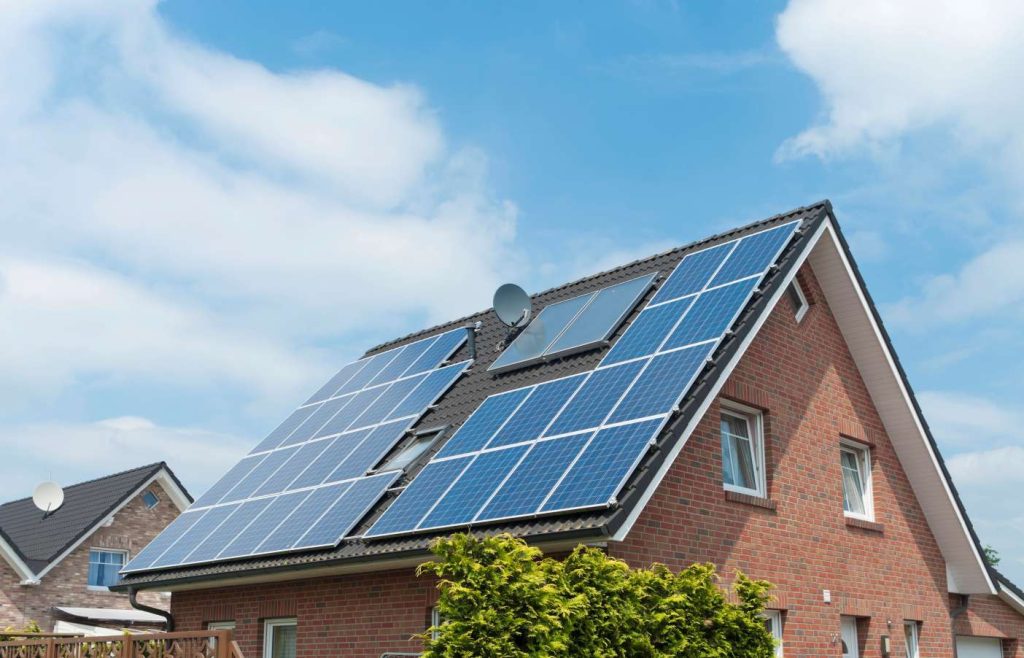
Solar panels can create sheltered spaces underneath them. In some homes, birds may nest under the array, especially where there is warmth, cover and easy access. During or after renovations, bird activity can also change if old nesting areas are disturbed, new roof gaps appear or nearby trees are removed.
Birds are not just a noise issue. Droppings, feathers and nesting materials can collect around panels, gutters and roof valleys. Over time, this can make the roof messier and may affect airflow or maintenance access.
If birds are already active around the panels, avoid temporary fixes such as loose mesh, wire or makeshift barriers. Anything installed around solar panels needs to avoid damaging the panels, interfering with drainage or creating a new hazard. Properly fitted solar bird-proofing is designed to block access beneath panels while still respecting how the roof and solar array need to function.
Keep an Eye on the Inverter and Monitoring App
After a renovation, it is worth checking your inverter or monitoring app more often for a few weeks. This helps you spot changes early.
The Solar Consumer Guide says monitoring systems can help show whether the system is generating as expected, and some apps can identify causes such as shading, dirty panels or damage.
Do not compare a sunny day to a cloudy one and assume something is wrong. Instead, compare similar conditions. If the system was producing a certain amount on clear days before the renovation, then drops noticeably on similar clear days afterwards, that is worth investigating.
Look for inverter fault codes, sudden changes in output, unusual battery behaviour or one part of the system underperforming. If the issue follows roof work, painting, scaffolding, tree changes or exterior construction, it may be connected.
Make Maintenance Part of the Renovation Budget
Renovation budgets usually include materials, labour, permits, contingencies and finishes. Solar upkeep is rarely included, but it should be considered if the project involves the roof or exterior.
This does not need to be complicated. A sensible allowance might cover a post-renovation visual check, cleaning if needed, inspection of obvious debris around the array and a review of system performance.
A solar service should be conducted by an accredited solar installer or qualified electrician and may include cleaning panels, clearing areas around and under panels, testing electrical components, inspecting cables and checking inverter or battery fault history.
Electrical work should always be left to qualified people. Solar systems can remain energised even when mains electricity is switched off, and repairs to solar or battery systems should only be attempted by an accredited electrician.
At the End of the Day
Solar panels can fit very well into a renovated home, especially when energy efficiency is part of the bigger plan. But they should not be treated as a set-and-forget feature that sits separately from the rest of the property.
A renovation can affect your solar setup through access, shade, dust, debris, roof changes and long-term maintenance needs. By thinking about solar early, protecting panels during the work and checking performance afterwards, homeowners can avoid small issues turning into expensive frustrations.
The best approach is simple: know where your solar system is, keep it accessible, avoid risky DIY work, watch for new shade and build basic solar upkeep into your renovation plan. That way, your panels can keep doing their job long after the fresh paint, new roofline or outdoor upgrade is finished.